The Blooming Joy Journal
What Makes a Garden a ‘Cut Flower’ Garden?
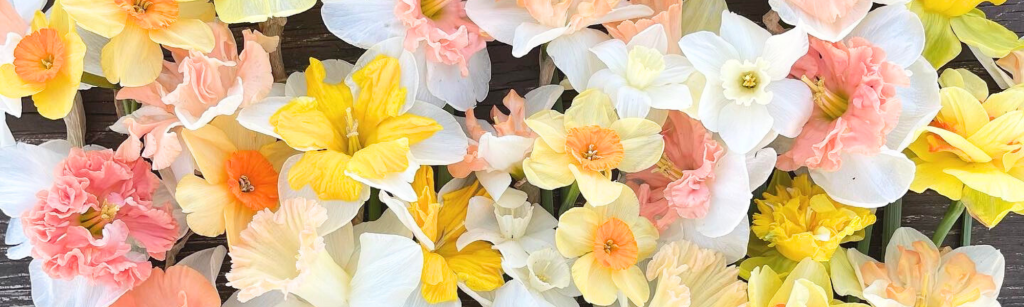
If you've ever dreamed of bringing fresh, homegrown flowers into your kitchen or gifting a bouquet straight from your backyard, you're not alone. I had absolutely no idea how starting my first cut flower garden would transform my life. Growing a cut flower garden gives me hope, something to look forward to daily and the joy of being outside in nature.
Cut flower gardens (and flower farming!) are rising in popularity for their beauty, practicality, the joy they bring and the potential income if you are turning your passion of growing flowers into a business.
What exactly is a cut flower garden, and how is it different from a traditional flower bed? Let's break it down with five essential things you need to know!
Disclaimer: This blog post contains affiliate links and I may make a small commission when you purchase through them. Thank you for helping to keep this blog going!
1. It’s Built for Harvesting
A cut flower garden is intentionally grown so you can regularly cut blooms to enjoy indoors. The focus isn't just on curb appeal. It's primary focus is on production. These gardens are meant to be harvested over and over again and you may not see as much color as you would in a traditional flower garden. The purpose is to cut the flowers!
You’re growing flowers like a farmer grows vegetables: with the goal of bringing them inside or sharing them with others. Just like veggies, flowers have a perfect harvest stage for the longest vase life.
Related blog post: 5 Common Harvest Mistakes to Avoid When Harvesting Cut Flowers
2. It’s Packed with High Performers
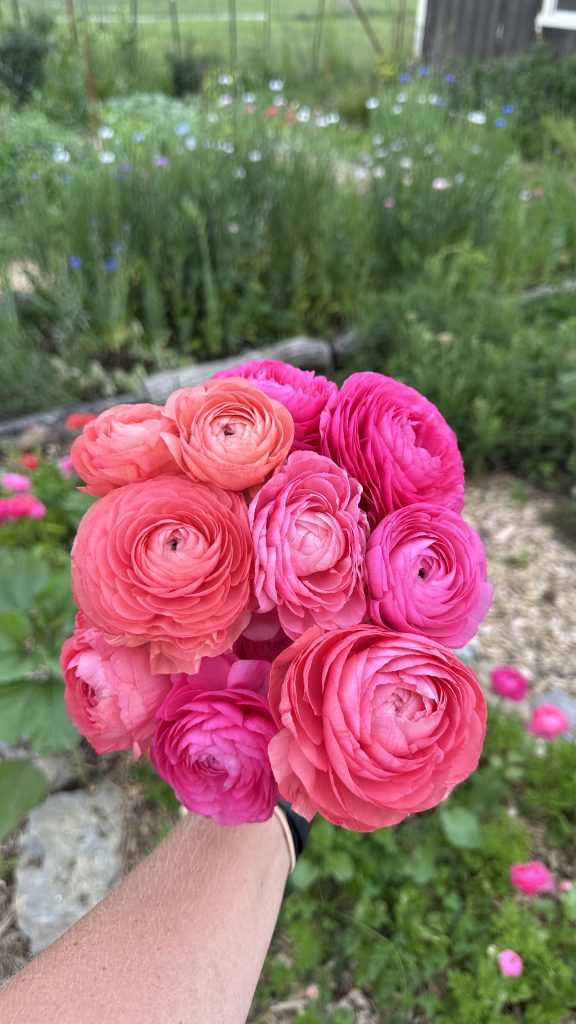
Not all flowers are created equal when it comes to cutting. A good cut flower garden includes varieties that bloom repeatedly, hold up well in a vase, and produce long stems. Favorites include zinnias, cosmos, sunflowers, snapdragons, and dahlias. These flowers are often referred to as "cut-and-come-again" because the more you harvest them, the more they bloom.
Related blog post: Planning Your Cut Flower Garden

3. Spacing Is Functional, Not Just Pretty
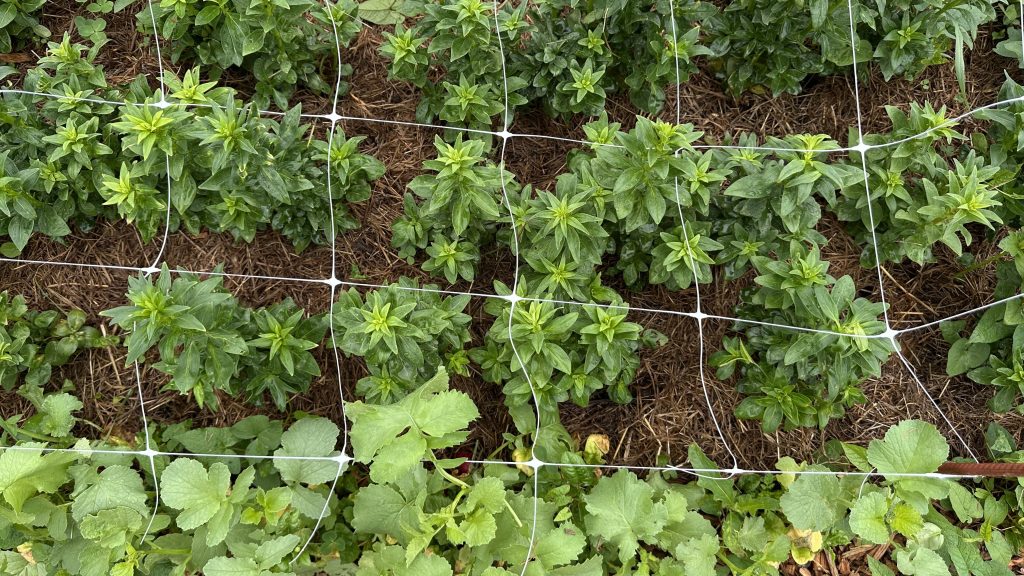
While a landscaping bed may focus on symmetry and visual balance, a cut flower garden prioritizes accessibility. Plants are often grown in rows or blocks, similar to a vegetable garden. This setup makes it easy to weed, water, and most importantly, to harvest! You’ll also want to plant closely enough to shade out weeds but not so close that airflow becomes an issue.
Cut flower plants are often spaced closer together than seed packet recommendations to produce a maximum yield. The goal is to produce an abundance of flower stems, meant for cutting, in the least amount of space possible while still producing high quality cut flowers. Methods to keep flower stems from flopping over are implemented as well. Flower netting is often used.
4. It Can Be Any Size
Contrary to popular belief, you don’t need acres of land to grow a productive cut flower garden. Even a 3x8 garden bed can supply a summer's worth of bouquets. Whether you have a few containers on a patio or a dedicated backyard space, you can grow flowers for cutting. The key is to choose varieties that thrive in your growing conditions and stagger plantings for continuous blooms.
https://youtu.be/ttg9cwLBYzU?si=uiA5fMO53Gb-xAbb5. It Brings Joy Inside
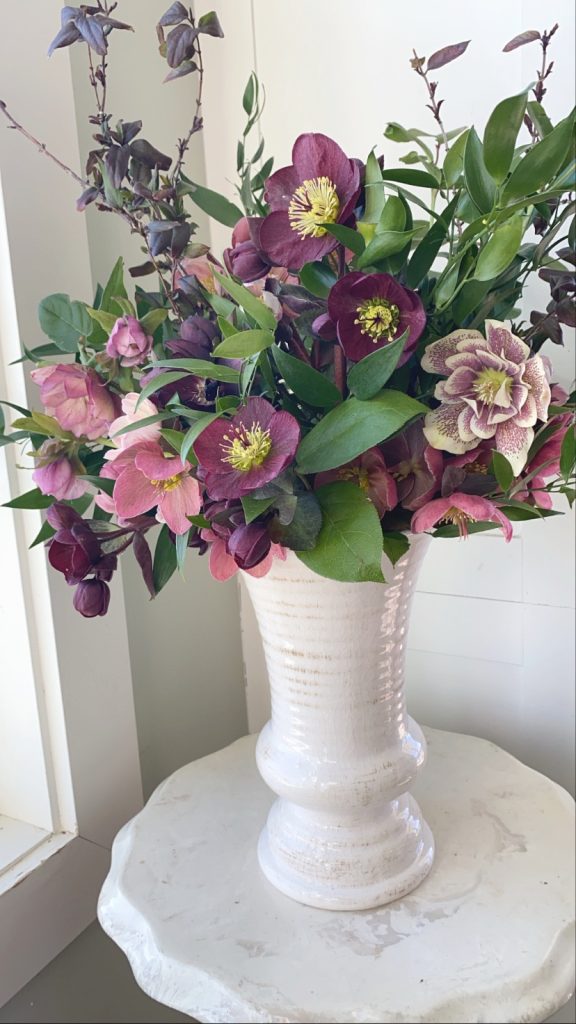
The real joy of a cut flower garden is how it transforms your indoor spaces! There's something incredibly satisfying about filling your home with vases of flowers you grew yourself. It’s a simple way to connect with nature, celebrate the seasons, and share beauty with friends and family. The garden becomes more than just a patch of land, it becomes a source of daily joy! I cannot imagine a time where I am not growing a cut flower garden now. It has really helped ME grow inside!
Whether you're starting small or dreaming big, a cut flower garden is a rewarding way to grow beauty with purpose! Will you be starting a cut flower garden? If you need help, check out my free Beginner Cut Flower Garden Workbook and let's dig in!