The Blooming Joy Journal
10 Flower Seeds to Sow in the Ground for a Cut Flower Garden

Beginner Friendly Flower Seeds to sow for a Cut Flower Garden
There is something incredibly rewarding about growing your own cut flower garden from seed, especially when you choose varieties that are both beautiful and easy to grow. From the whimsical spring blooms of nigella and larkspur to the bold, sun-loving zinnias and sunflowers of summer, each flower brings its own unique charm to the garden.
Many of these favorites can be direct sown right into the soil, making them approachable for beginners while still being incredibly productive for seasoned growers. Direct sown simply means sowing the seeds outdoors in your ground. No seed starting equipment necessary. Whether you are dreaming of armfuls of romantic cosmos, airy bupleurum, or vibrant celosia, this collection of flowers will provide a steady stream of blooms for fresh and dried arrangements alike.
Disclaimer: This blog post contains affiliate links where I may make a small commission, at no additional cost to you, when you purchase through them. I appreciate your support so much!
Nigella
Nigella is truly one of the best dual-purpose annual cut flowers, offering whimsical blooms in spring and uniquely beautiful seed pods that transition perfectly into dried bouquets. It thrives when direct sown in a full sun location and will happily self-sow throughout the garden if you allow the pods to mature and drop seed. For fresh arrangements, harvest nigella when the buds begin to show color and just start to crack open; for dried use, wait until the pods are fully formed and still vibrant.
Favorite varieties like Love-In-A-Mist 'African Bride', Love-In-A-Mist 'Delft Blue', 'Miss Jekyll' bring a soft yet striking presence to the garden. This flower prefers a cool growing season fall sow in mild climates or plant as soon as the ground can be worked in colder regions and thanks to its natural resilience and frost tolerance, it grows beautifully without the need for netting.
Bachelor's Buttons
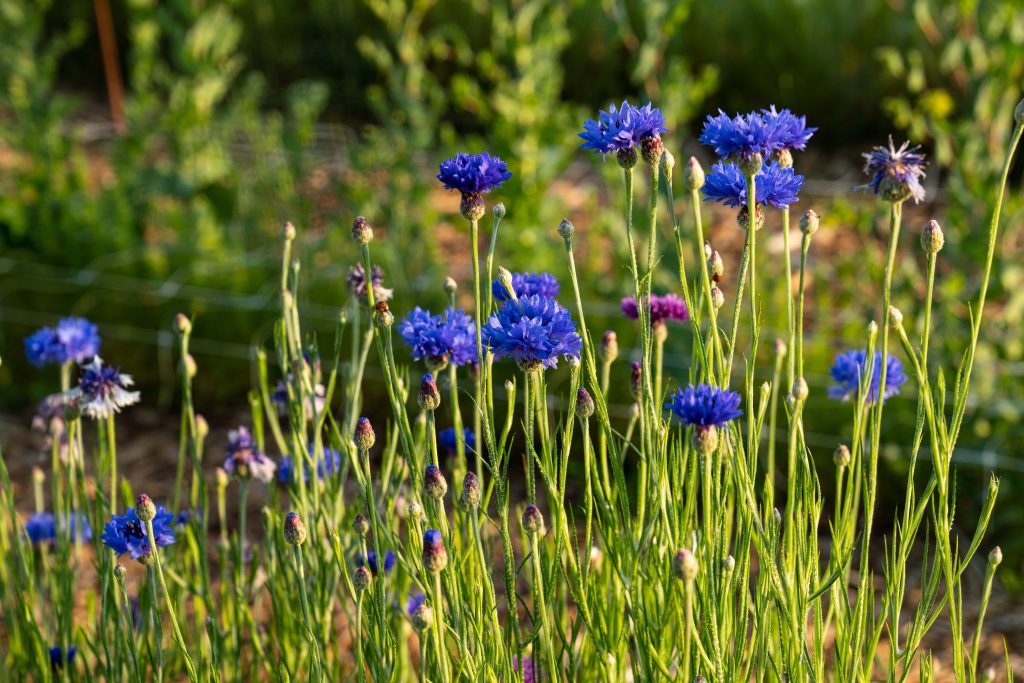
Bachelor’s buttons are a charming and easy-to-grow annual that bring a carefree, cottage-garden feel to the cut flower patch with their airy stems and cheerful blooms. Thriving when direct sown in a full sun location, they establish quickly and will often self-sow, returning year after year with little effort. For the longest vase life, harvest when the flowers are just beginning to open, capturing their fresh, vibrant color at its peak.
Classic varieties like Bachelor's Buttons 'Tall Blend' is the perfect mix of colors in bouquets. Bachelor’s buttons prefer cooler growing conditions, making them ideal for early spring sowing or fall planting in mild climates and they are frost tolerant, making them a low-maintenance favorite for both beginners and seasoned growers.
Blog Post: How to Design a Beautiful and Productive Cut Flower GardenLarkspur
Larkspur is a graceful, cottage-garden favorite that rewards you with tall, airy spikes of blooms just when the spring garden begins to shine. For best results, fall sow seeds outdoors from late October to November, as they prefer cooler soil temperatures around 55°F to germinate, and once established, they are incredibly hardy and tough as nails through the winter with no need for covering. This is a wonderfully simple flower to grow, requiring no thinning or pinching, as it is truly a “one cut and done” plant.
While it can benefit from flower netting, larkspur often stands strong on its own. It’s also an excellent choice for dried arrangements, holding its color beautifully. Harvest when about one-third of the florets on the stem have opened, and the remaining blooms will continue to unfurl gracefully in the vase. 'Galilee' Larkspur is a beautiful mix of Larkspur colors that is great for beginners to try.
Zinnia
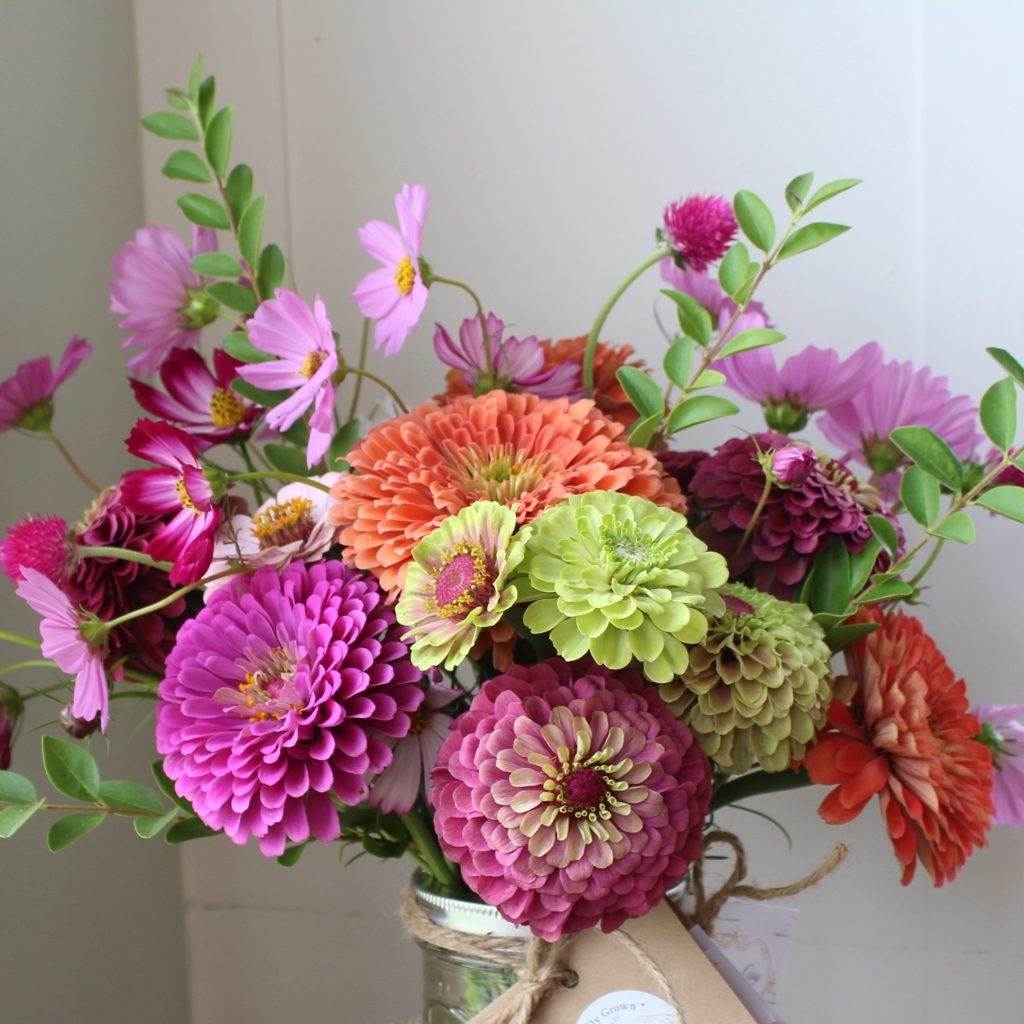
Zinnias are the ultimate cut-and-come-again flower, rewarding you with vibrant blooms all summer long with the more you cut, the more they produce. New to growing Zinnias? Here are 20 facts every gardener should know about Zinnias! Direct sow them in a full sun spot after all danger of frost has passed, and be sure to pinch young plants to encourage branching and even more flowers. When it’s time to harvest, use the “wiggle test”: if the neck feels floppy it’s not ready, but if it’s stiff, it’s perfect for cutting. Zinnias are easy to grow and incredibly productive, though they do benefit from flower netting to keep stems strong and upright as they continue to pump out blooms all season.
Favorite varieties to try:
The Zinnia Seed Shaker has enough seeds to grow approximately a 500sq ft garden space. Looking for creative ways to use a big Zinnia space? Check out this blog post.
Cosmos
Cosmos are one of the best beginner cut flowers to grow, offering an abundance of soft, romantic blooms in a beautiful range of colors perfect for dreamy bouquets. Direct sow seeds in a full sun location after your last danger of frost, then pinch the stems above the second leaf node to encourage branching and more flowers. Be sure to thin plants to about 12 inches apart to give them room to thrive, and provide support netting, as cosmos can easily reach up to 5 feet tall. These are true cut-and-come-again flowers. The more you harvest, the more they bloom. For the best vase life, harvest when the buds are fully colored and just beginning to crack open.
Favorite Varieties:
Free Download: Beginner Cut Flower Garden WorkbookCelosia
Celosia is a standout in the summer garden, known for its unique flower forms from soft plumes to intricate brain types and elegant spikes and its wide range of vibrant colors. This heat-loving annual direct sows beautifully after the last danger of frost and benefits from pinching early on to encourage branching and more blooms.
By mid to late summer, it’s in full production and even sets seed prolifically for future seasons. For the best cut stems, harvest when the color is fully developed and the flower head feels firm.
Fun celosia varieties to try:
Sunflowers
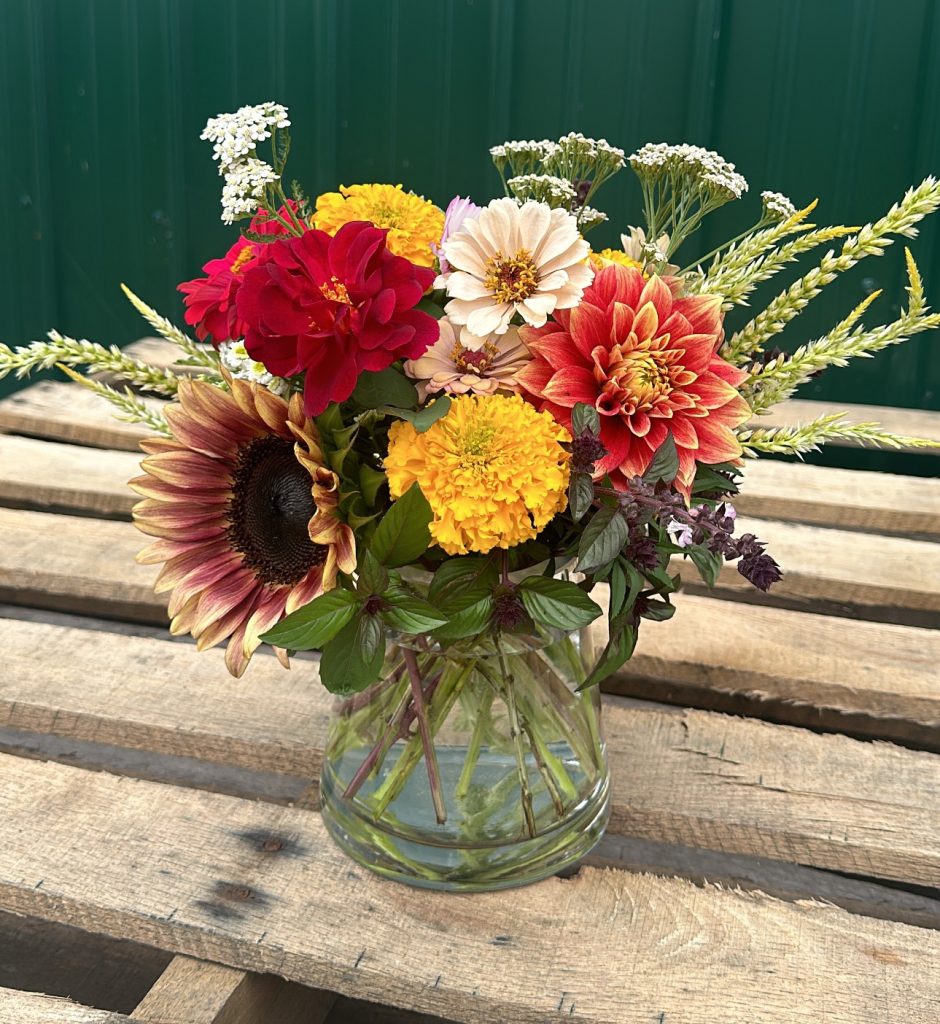
Sunflowers are one of the most rewarding flowers to grow from seed, maturing quickly, some in as little as 55 days, and bringing bold, cheerful blooms to the garden. For the best cut flower experience, choose pollenless varieties, and direct sow seeds in a full sun location after all danger of frost has passed.
Many sunflowers are one-cut-and-done plants, so to enjoy a continuous harvest, sow seeds every week until about 60 days before your first frost date. They’re wonderfully low maintenance and don’t require netting, standing tall on their own. For cutting, harvest when just one petal has opened, as the flower will continue to unfurl beautifully in the vase.
Marigolds
For marigolds, focus on taller varieties bred for cutting, as some can reach over 3 feet tall and make excellent filler flowers in bright, cheerful bouquets. Direct sow them in a full sun location after the last frost, and enjoy their cut-and-come-again nature. The more you harvest, the more they bloom.
For best results, cut when the flowers are about 50% open, allowing them to continue opening in the vase. Marigolds also hold their color beautifully when dried, making them perfect for fall garlands, and taller varieties will benefit from support netting to keep stems upright.
'Crackerjack African Marigold'
Basil- let it flower!
Basil, when allowed to flower, becomes an unexpected and aromatic addition to cut flower arrangements, adding both texture and fragrance. Direct sow seeds in a full sun location, and pinch plants when they reach about 8 inches tall to encourage bushy growth. For cutting, wait until the stems are slightly woody and flowers have formed. These earthy blooms bring a soft, whimsical touch to bouquets while still offering that signature herbal scent.
Lemon basil is my favorite basil to grow for summer bouquets.
E-book: Seed Starting Schedule for a Cut Flower Garden for Tennessee Zone 7Bupleurum
'Green Gold' Bupleurum is a must-grow airy filler flower that adds a soft, glowing green texture to bouquets, effortlessly tying arrangements together. For best results, sow seeds outdoors in the fall in mild climates, October through November, as it establishes well in cool conditions and proves tough as nails throughout the winter with no need for covering.
This is a simple, low-maintenance plant that should not be pinched, as it’s a true one cut and done flower, blooming beautifully in mid to late May in the Tennessee area. While it can stand on its own, bupleurum benefits from support netting to keep its delicate stems upright. If you allow it to go to seed, it will self-sow prolifically, returning year after year. Harvest when the flowers are fully open to enjoy its signature light, airy presence in fresh arrangements.
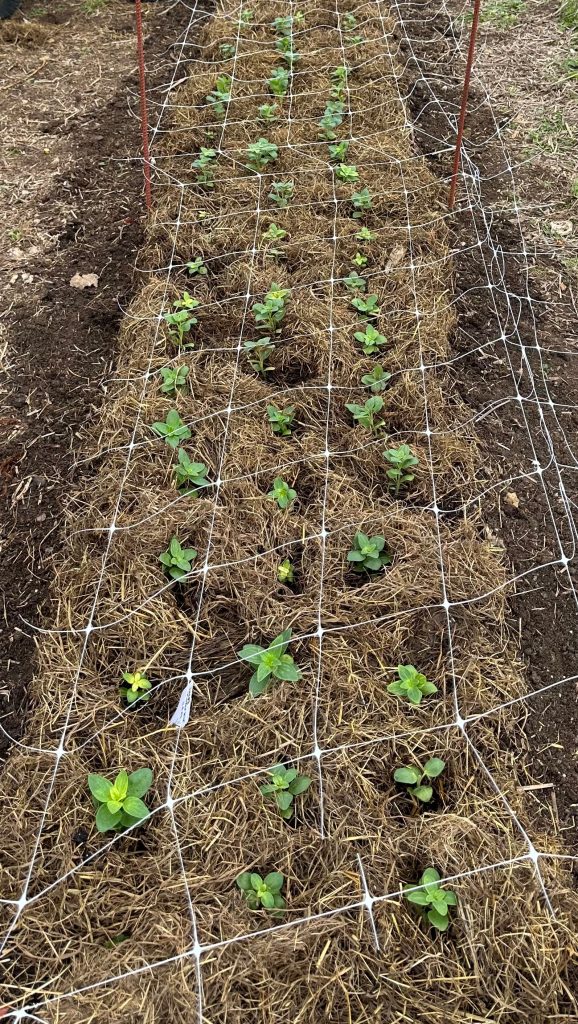
Flower Netting
Flower netting plays an important role in keeping many cut flowers upright, straight, and bouquet ready, especially as they begin to put on rapid growth and heavy blooms. Varieties like zinnias, cosmos, bupleurum, and taller marigolds can become top heavy, causing stems to bend or flop without support. By adding netting early in the growing process, you gently guide stems to grow tall and strong through the grid, resulting in longer, straighter stems that are ideal for cutting.
While some flowers like sunflowers and larkspur can often stand on their own, using support where needed can make a noticeable difference in both the quality and ease of harvesting your flowers.
Growing a cut flower garden like this is not only about the beauty it brings to your home, but also about the joy it creates in your everyday life. With each seed sown and every stem harvested, you become more connected to the seasons and the simple joy of creating something with your hands. These flowers are generous, many of them offering more blooms the more you cut, and even reseeding themselves to return again. With a little planning and care, you can enjoy a garden that continues to give from early spring through fall, filling your days and your home with color, texture, and life.